Spatial Design for Learning: A School Redesign Proposal for Uzbekistan
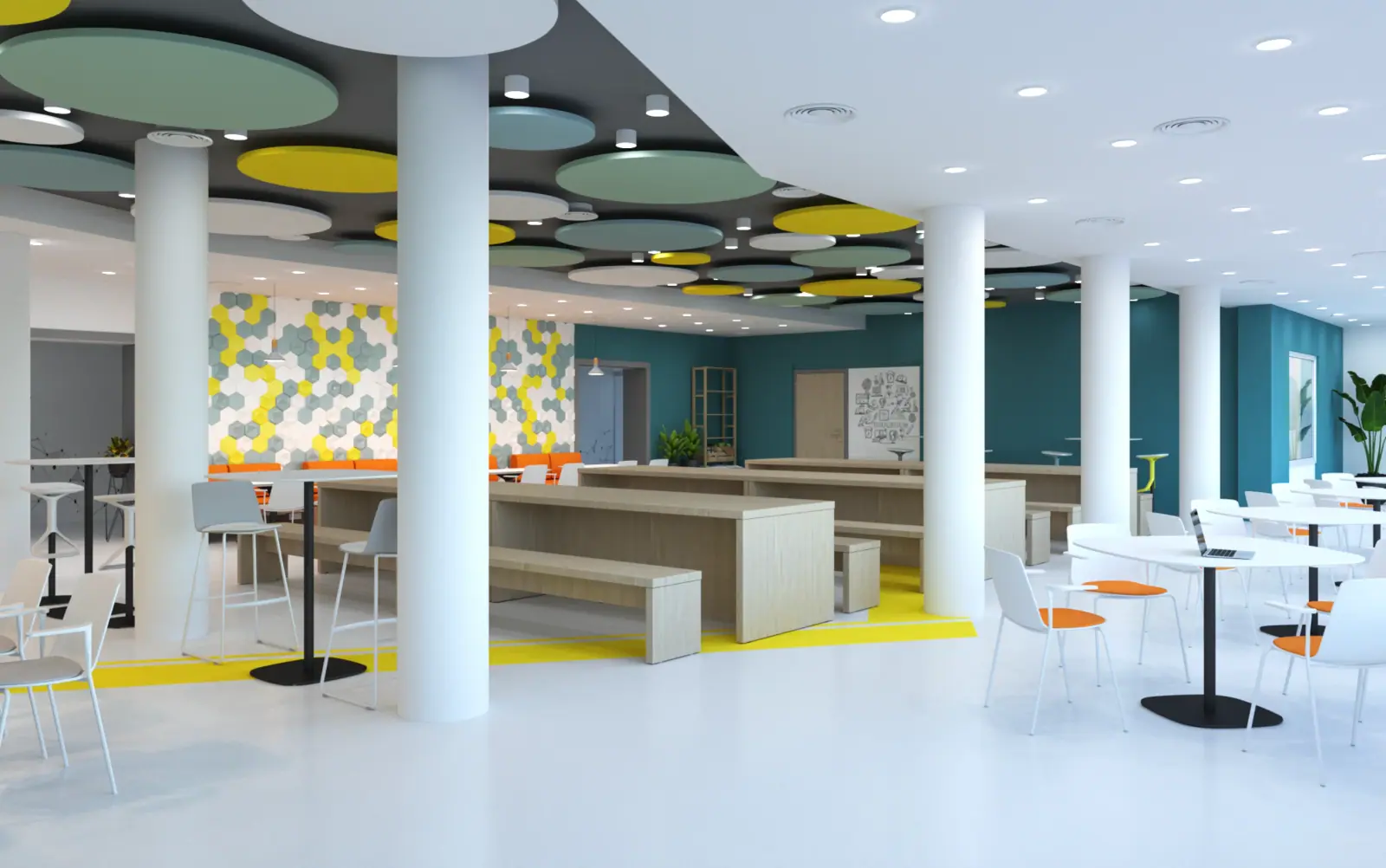
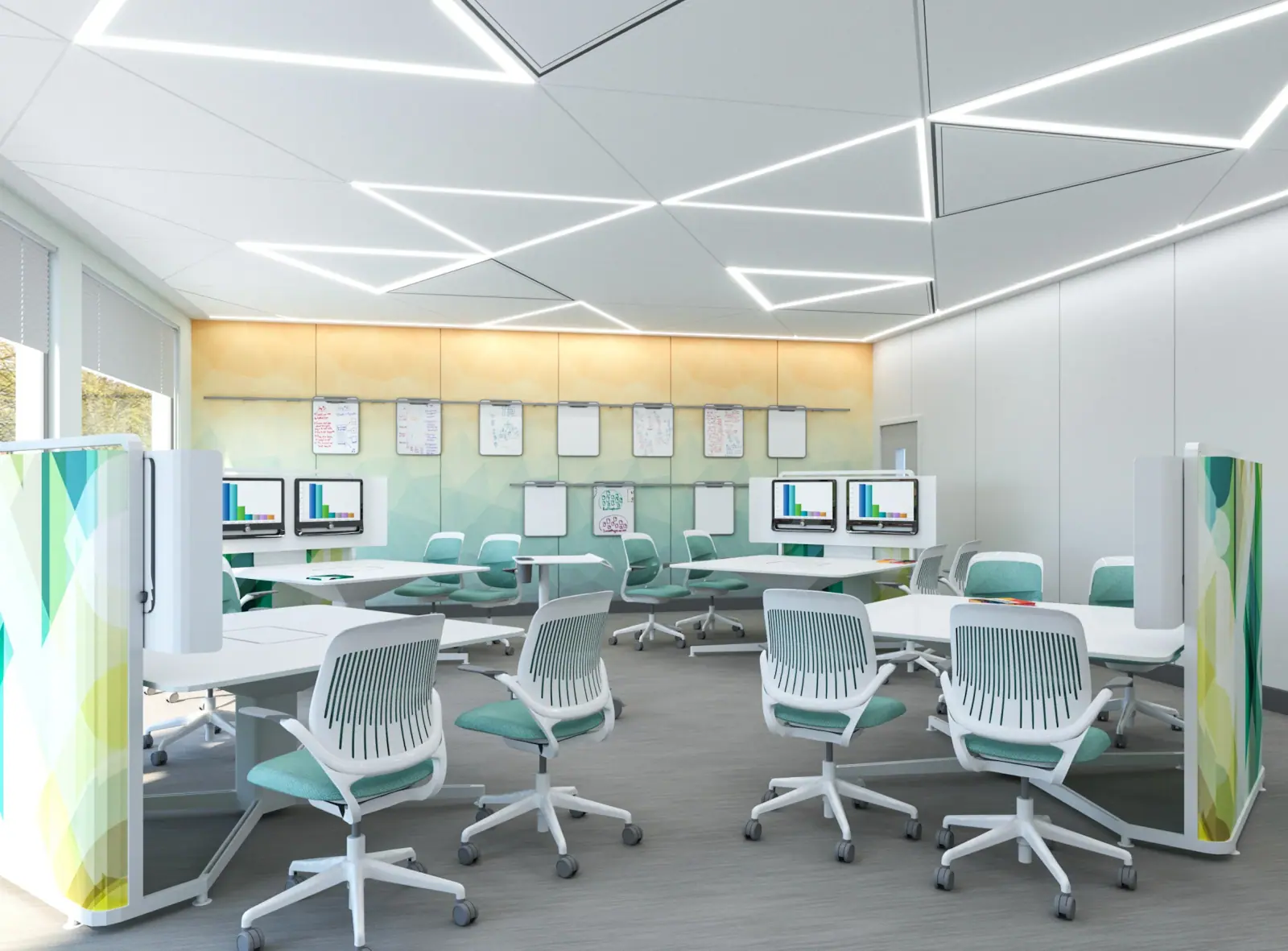
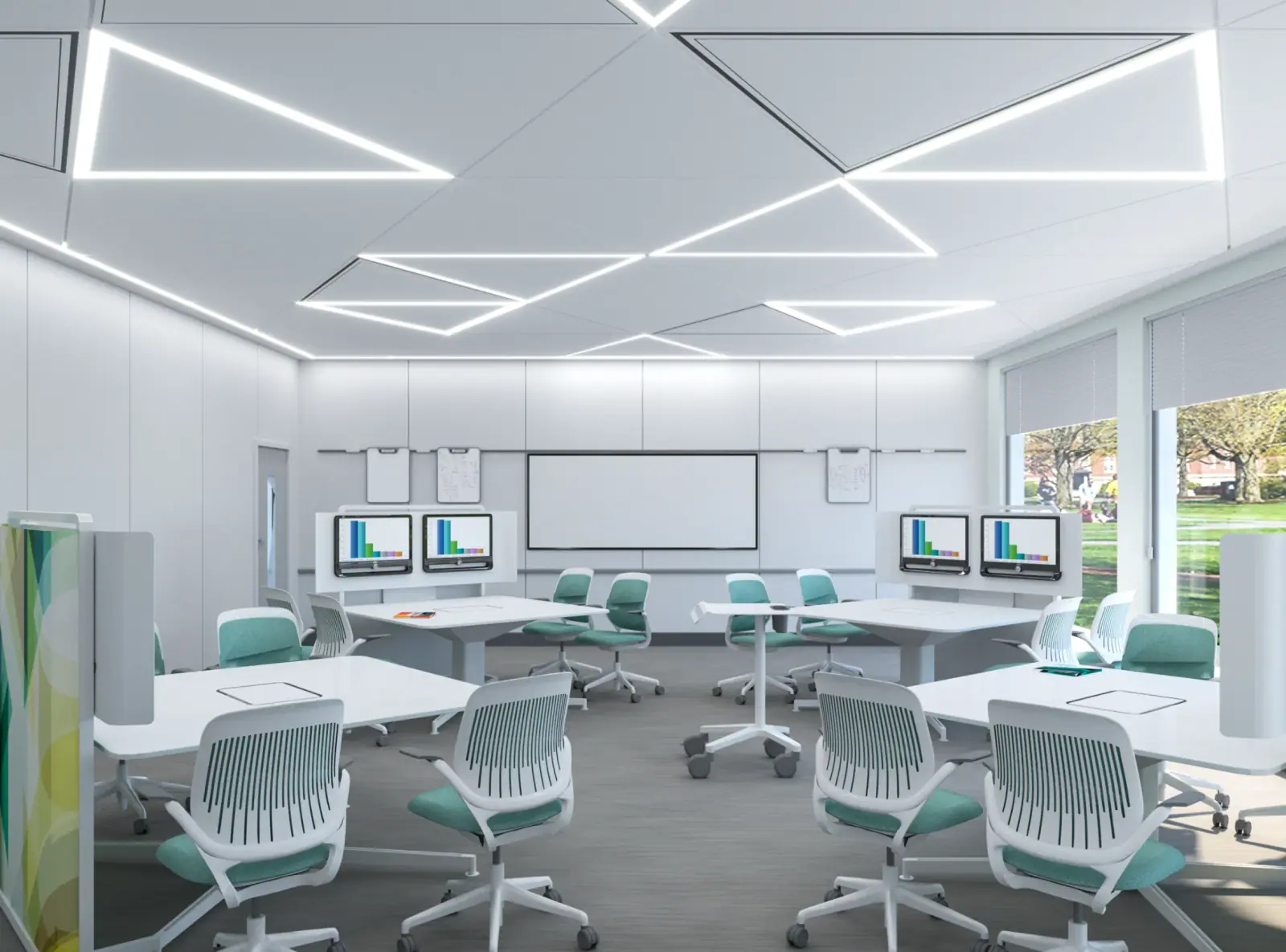
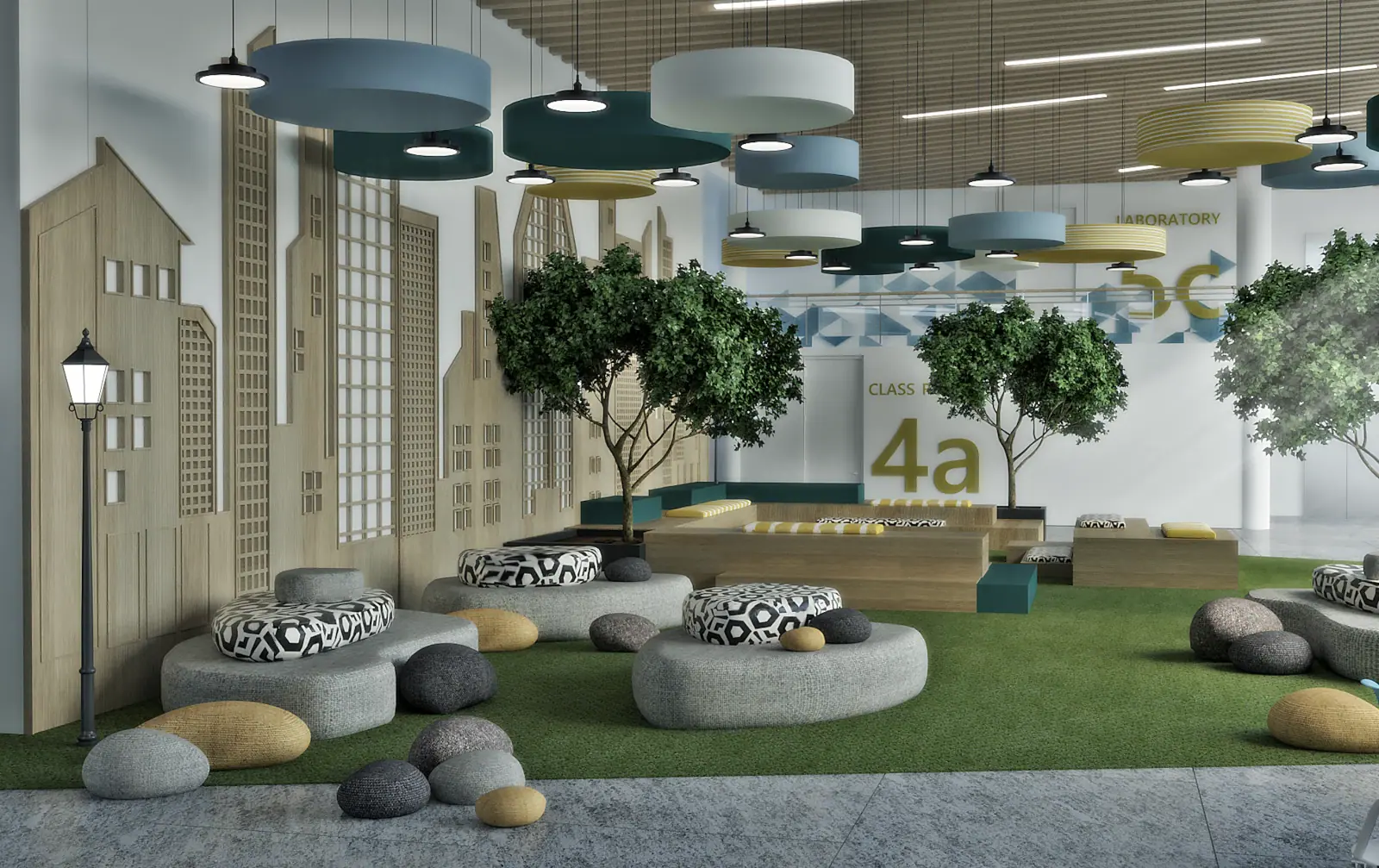
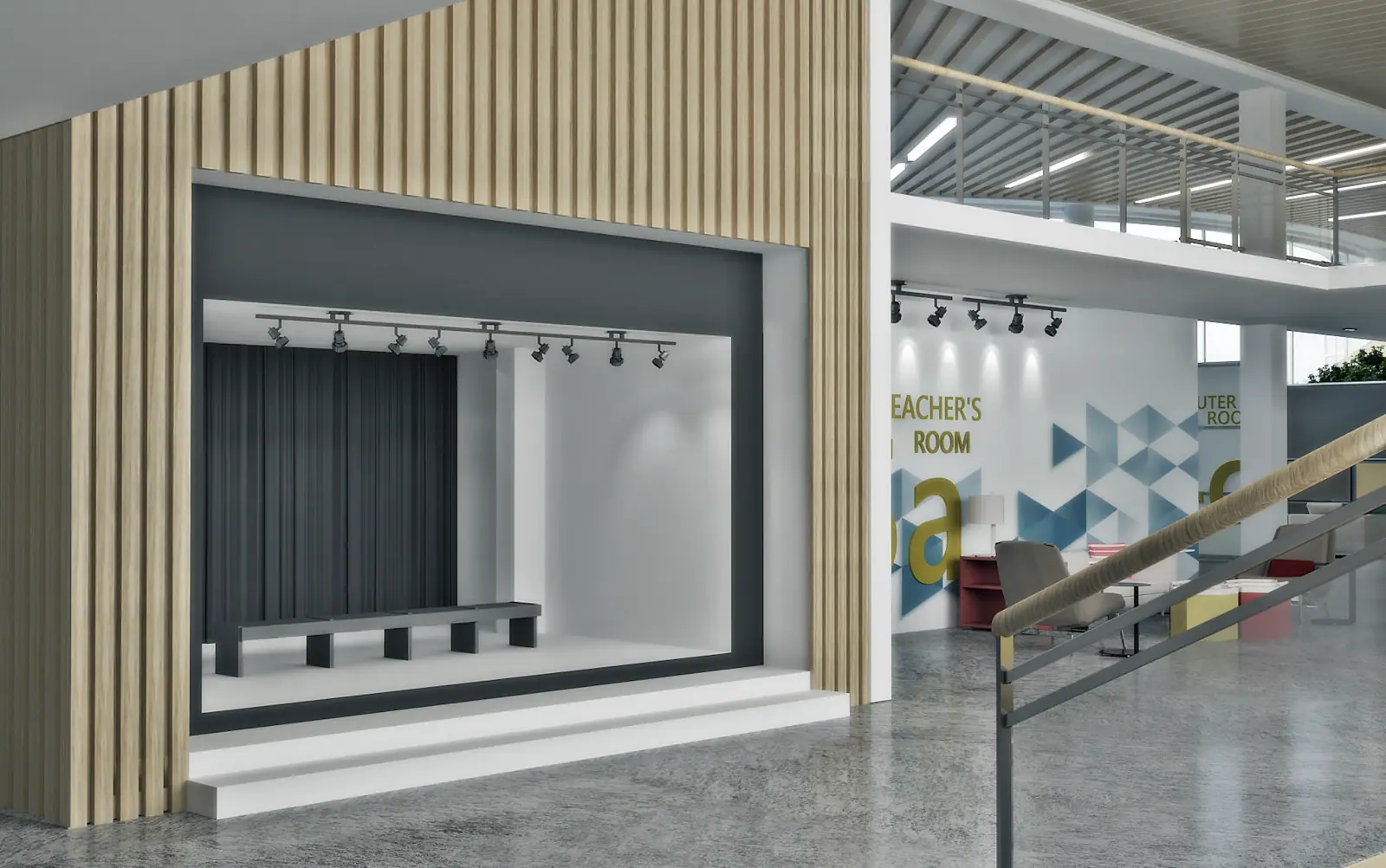
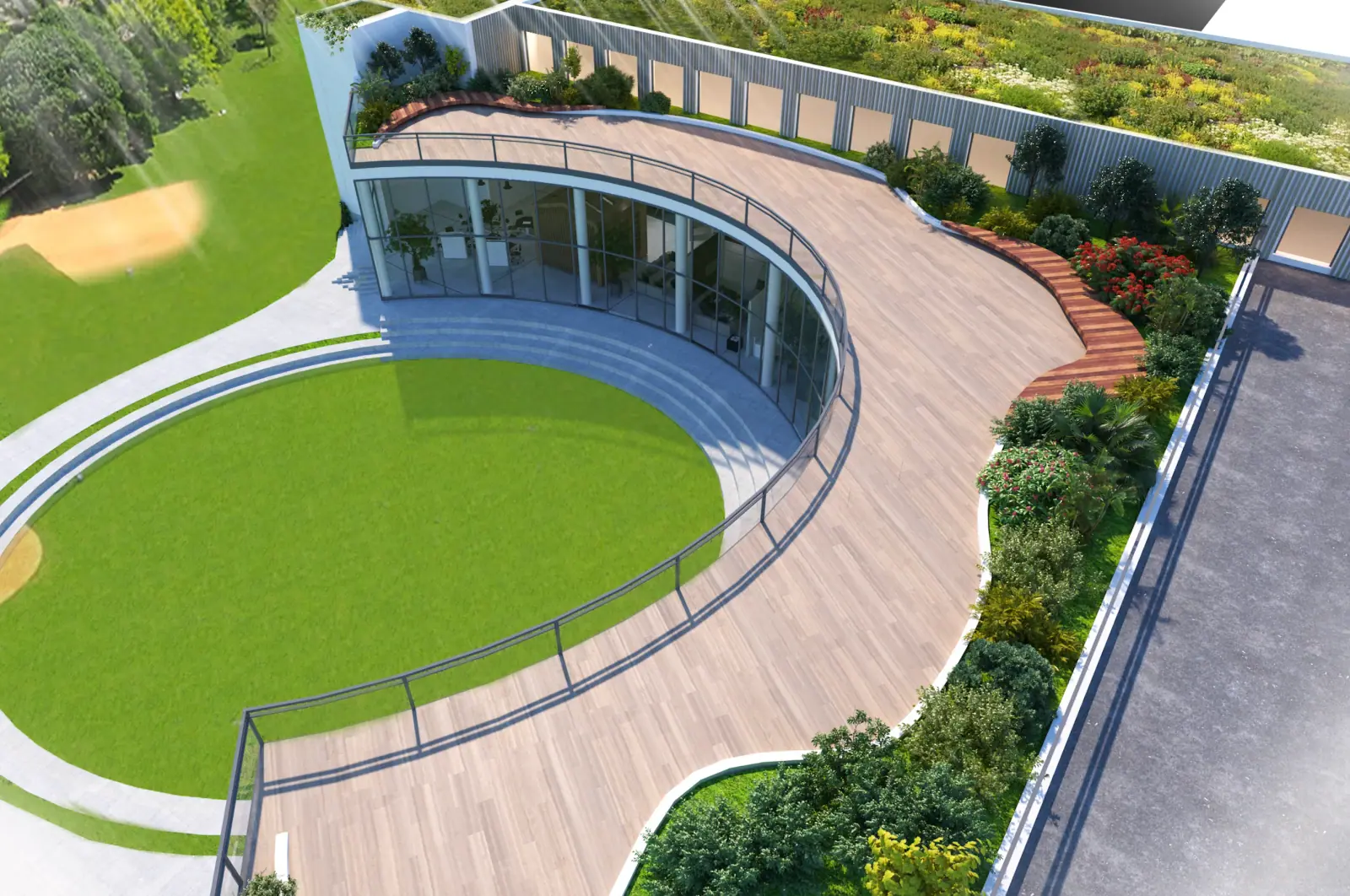
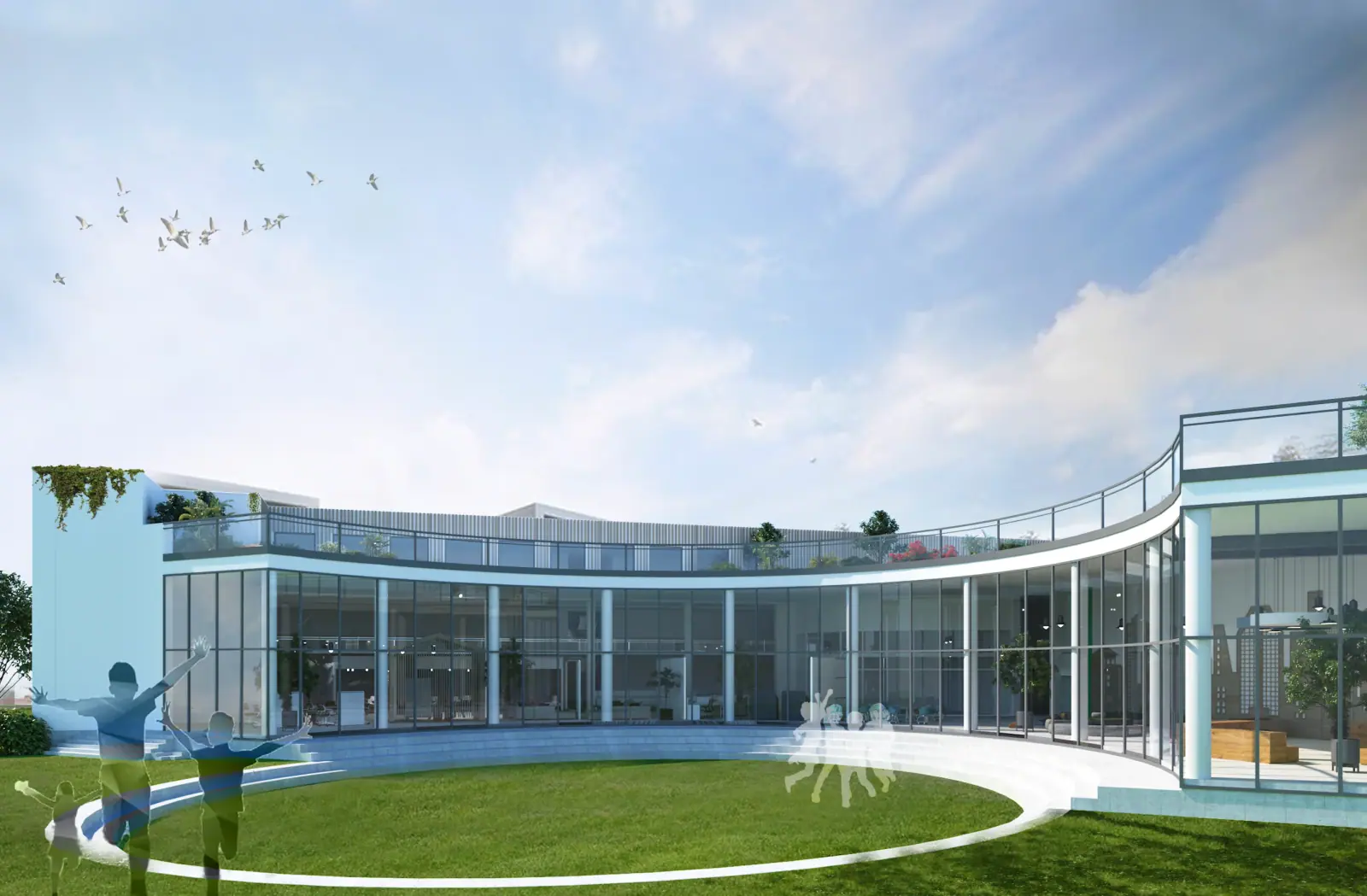
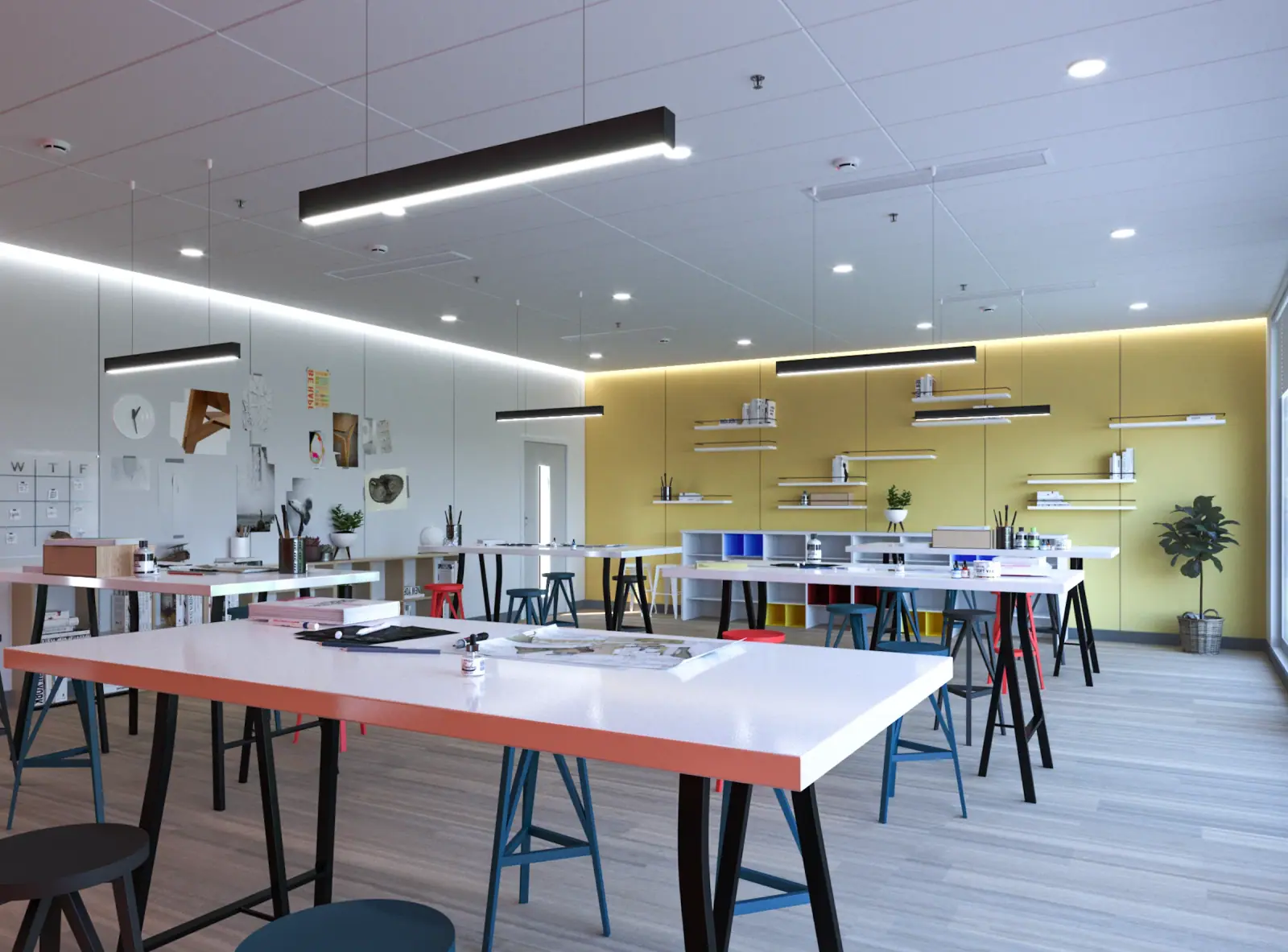
This project is a conceptual school redesign proposal developed to address a structural challenge in Uzbekistan's secondary education system. The majority of school buildings follow a Soviet-era 'cells and bells' model — uniform classrooms with fixed rows of desks, a teacher-centered layout, and a timetable that moves students through isolated subject periods. This design was built for a specific pedagogical philosophy: the teacher transmits knowledge, the student receives it. The physical environment reinforces that relationship at every turn. The core argument of this proposal is that the physical environment of a school is not neutral. When rooms cannot be reconfigured, when there are no spaces for collaboration or independent inquiry, and when every classroom communicates the same spatial hierarchy, the architecture itself constrains what teaching and learning can become. Students in this model have limited opportunity to engage actively, to learn in ways that match their individual strengths, or to develop the collaborative and self-directed capacities that modern education demands. Changing the pedagogy without changing the space is only half the work. The redesign proposal was developed using two primary theoretical frameworks. Gardner's Multiple Intelligences Theory provided the foundation for thinking about spatial diversity — the recognition that students learn through distinct cognitive strengths requires schools to offer physically distinct environments: spaces designed for collaboration, for movement and making, for quiet individual reflection, for presentation and creative expression. Active Learning design principles shaped how individual rooms and shared spaces were reconceived, shifting the physical center of gravity from the teacher's desk to the learner, through flexible furniture, reconfigurable layouts, and breakout spaces that support a range of grouping structures. Universal Design for Learning principles were also integrated to ensure that redesigned environments support diverse learner needs throughout. The proposal delivers a spatial design framework — a set of adaptable zone typologies and design principles that can be applied across different school sizes, budgets, and building types. It differentiates between low-cost, immediately implementable interventions (flexible furniture, modular zoning, repurposing of underused corridors and common spaces) and more substantial recommendations for new-build or renovation contexts. The project demonstrates that instructional design thinking, extended beyond the screen and the curriculum document, can drive meaningful educational reform through the very spaces where learning takes place.
Gallery