EdTechUz Pilot: Empowering Education through Technology for Teachers
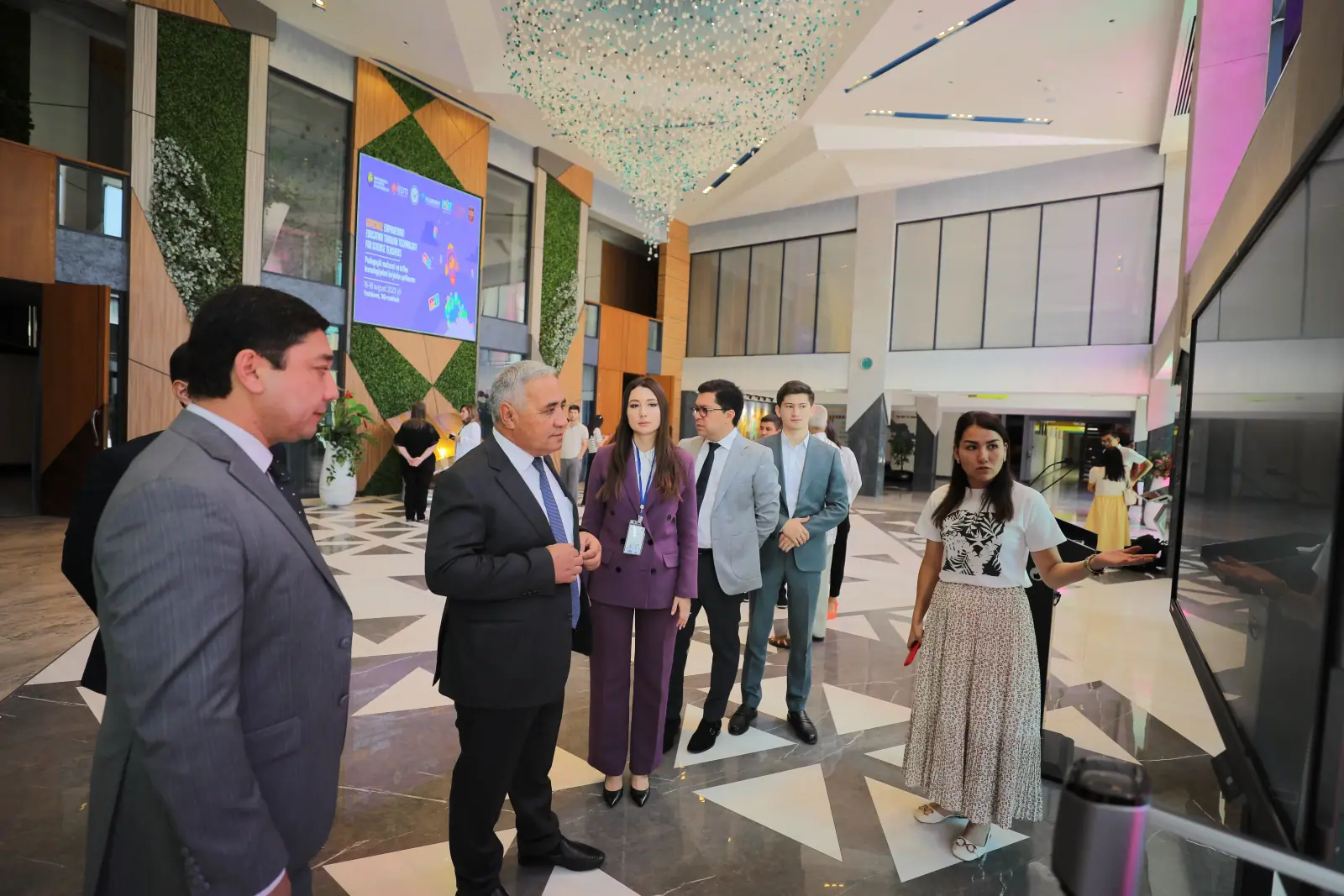
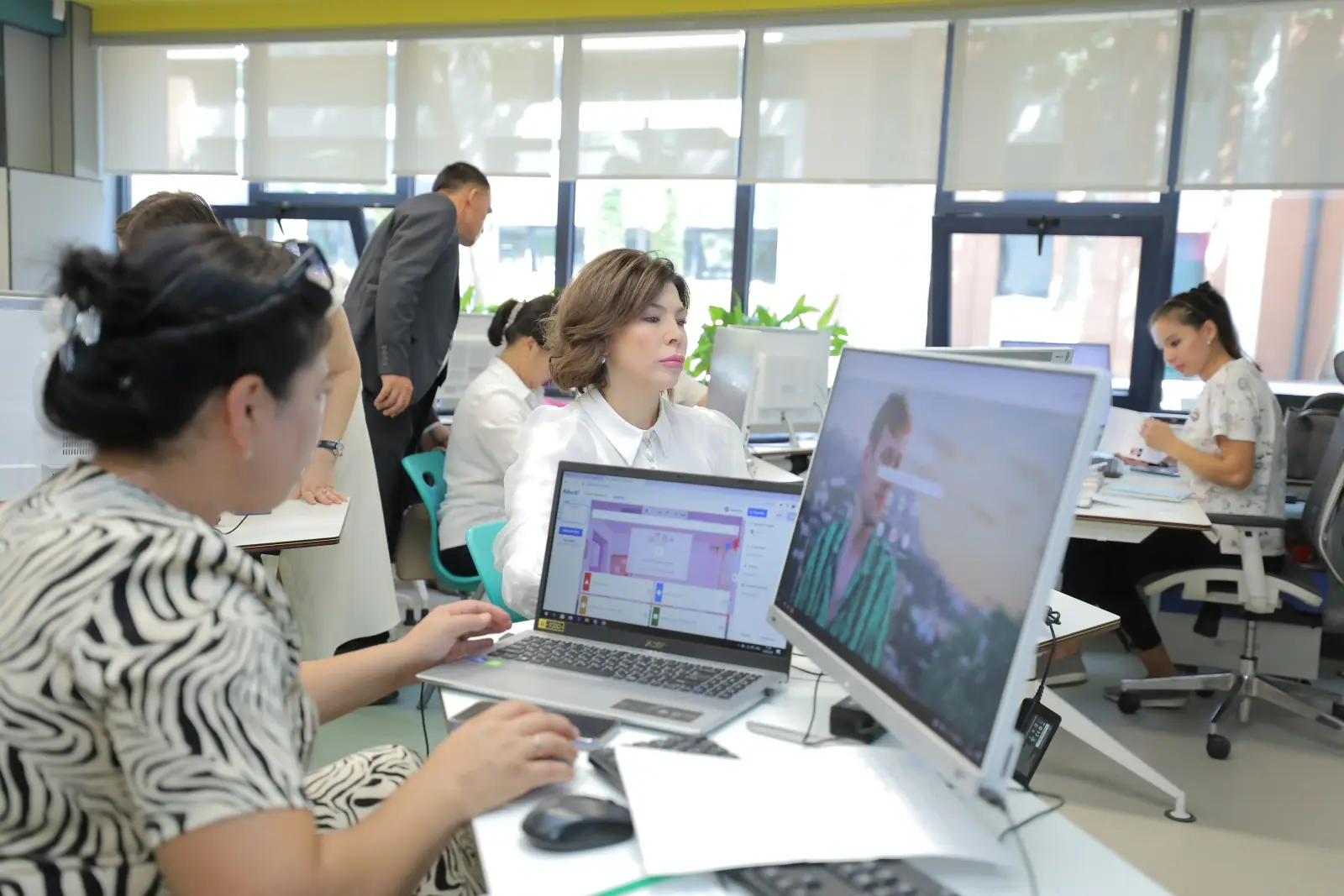
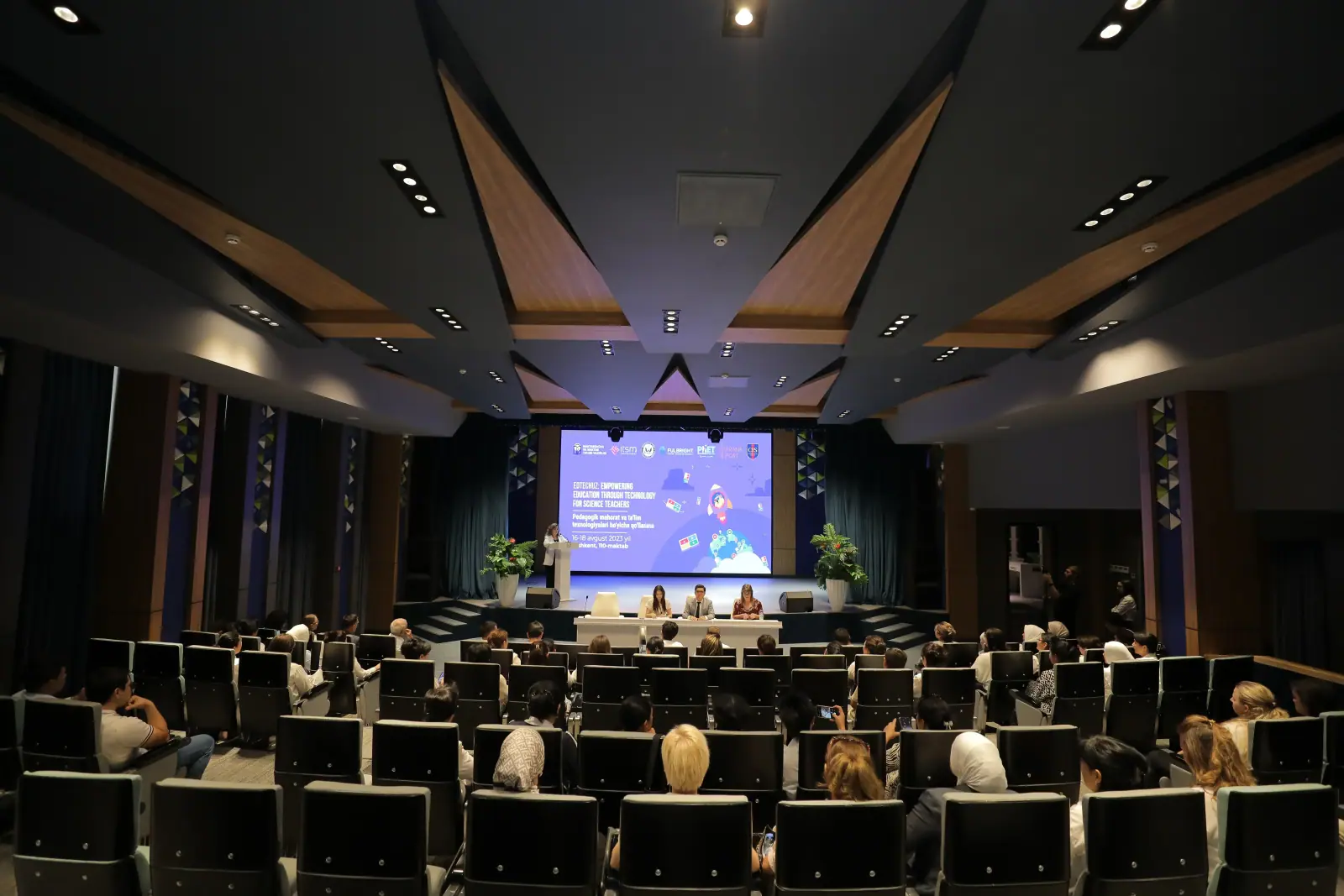
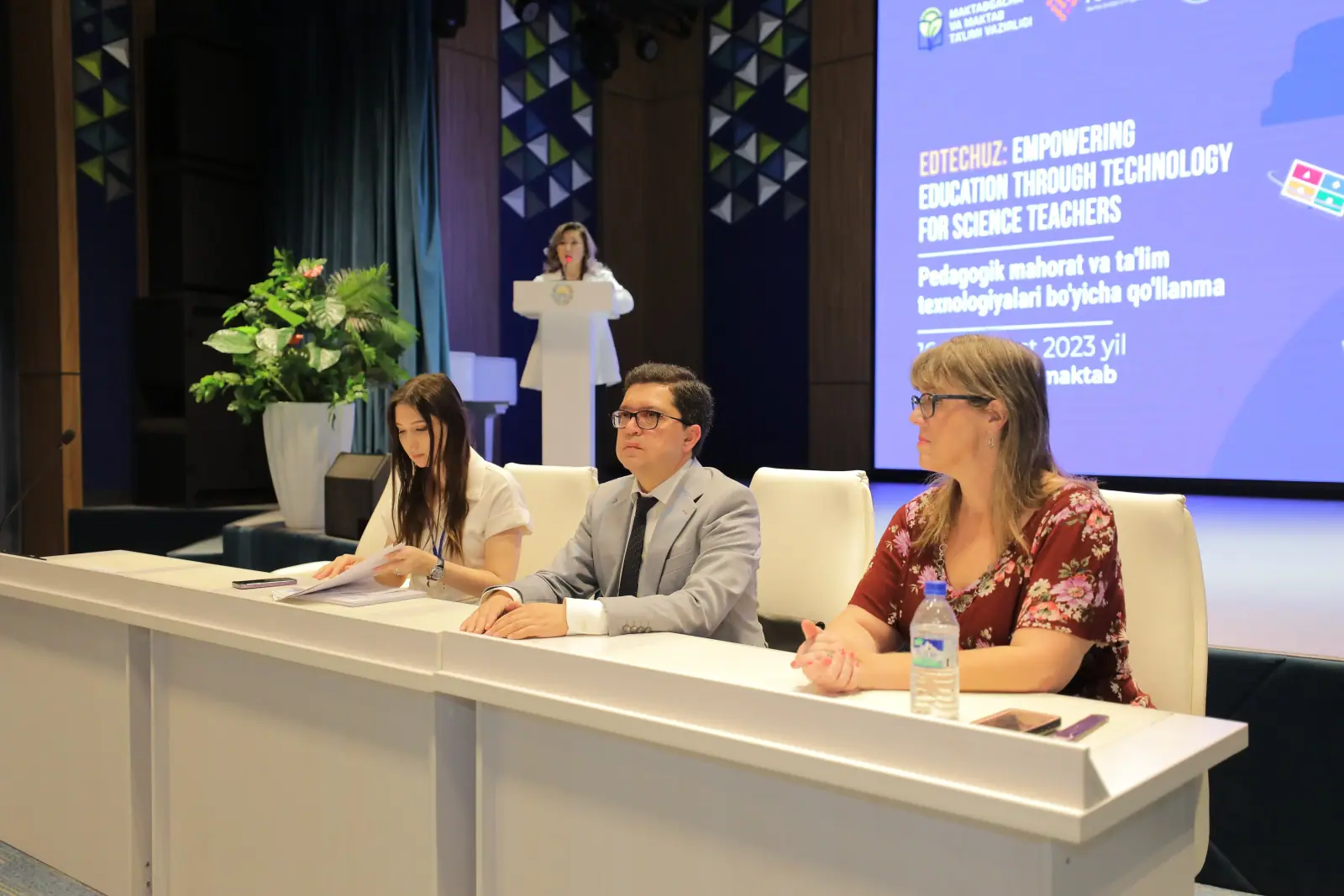
Natural science teachers in Uzbekistan's secondary schools face a significant instructional gap: while digital tools have transformed science education globally, most teachers have had little to no structured exposure to technology-enhanced pedagogy. Without training in how to design and deliver lessons using interactive platforms, educators default to lecture-based instruction that offers limited opportunities for student inquiry, experimentation, or engagement. The core challenge is access to practical, subject-relevant professional learning that bridges theory and classroom application. Existing professional development offerings rarely address the specific instructional needs of science educators or provide hands-on experience with the digital tools most suited to their disciplines. The pilot program brought together STEM teachers for a three-day immersive professional development seminar at School #110 in Tashkent, built not around passive training, but around learning by doing. Every session was purposefully sequenced: teachers first understood why a tool works pedagogically, then practiced using it with guidance. By the end of day three, participants had not only learned about PhET, Nearpod, and Kahoot, they had built lesson plans, designed assessments, and produced video content using them. That distinction matters. Most professional development asks teachers to absorb information and hope they apply it later. EdTechUz demanded applications from day one. The classroom materials teachers produced during the seminar were not exercises, they were deliverables, ready to use the following Monday. The results affirmed what the design intended. Teachers left the seminar not just informed, but capable. Certificates of completion recognized their professional growth, but the more meaningful outcome was visible in what they made: a cohort of science educators who now know how to design technology-enhanced learning experiences.
Gallery