Biography
About me
Spaces that teach
My path into instructional design ran through architecture, a route that shaped how I approach the work today. Designing physical school environments taught me that space is never neutral, how something is structured, where attention is directed, and what feels intuitive or overwhelming, all influence whether learning is supported or hindered. I carry that same perspective into digital design. A course interface, a content sequence, an assessment flow: these are spaces too, requiring careful attention to structure, orientation, and the learner's experience.
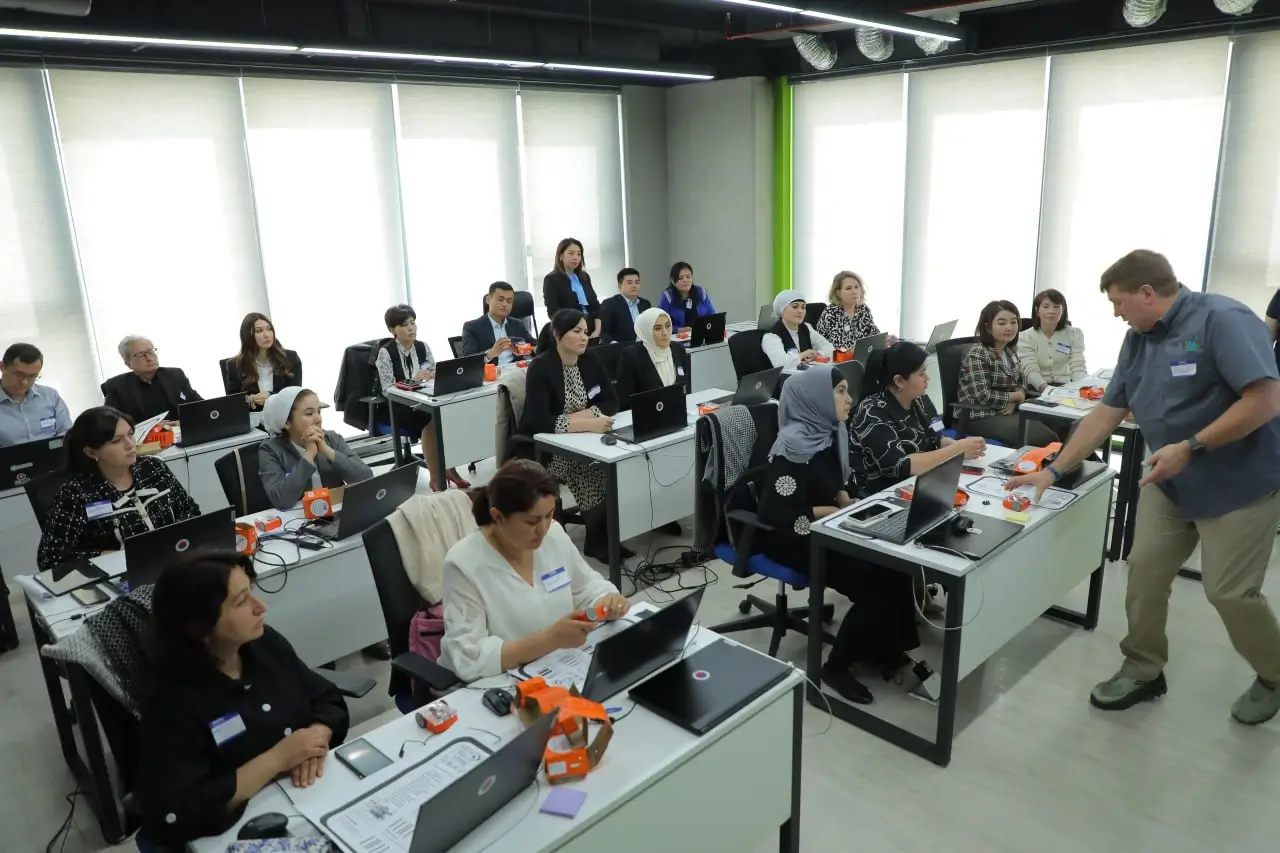
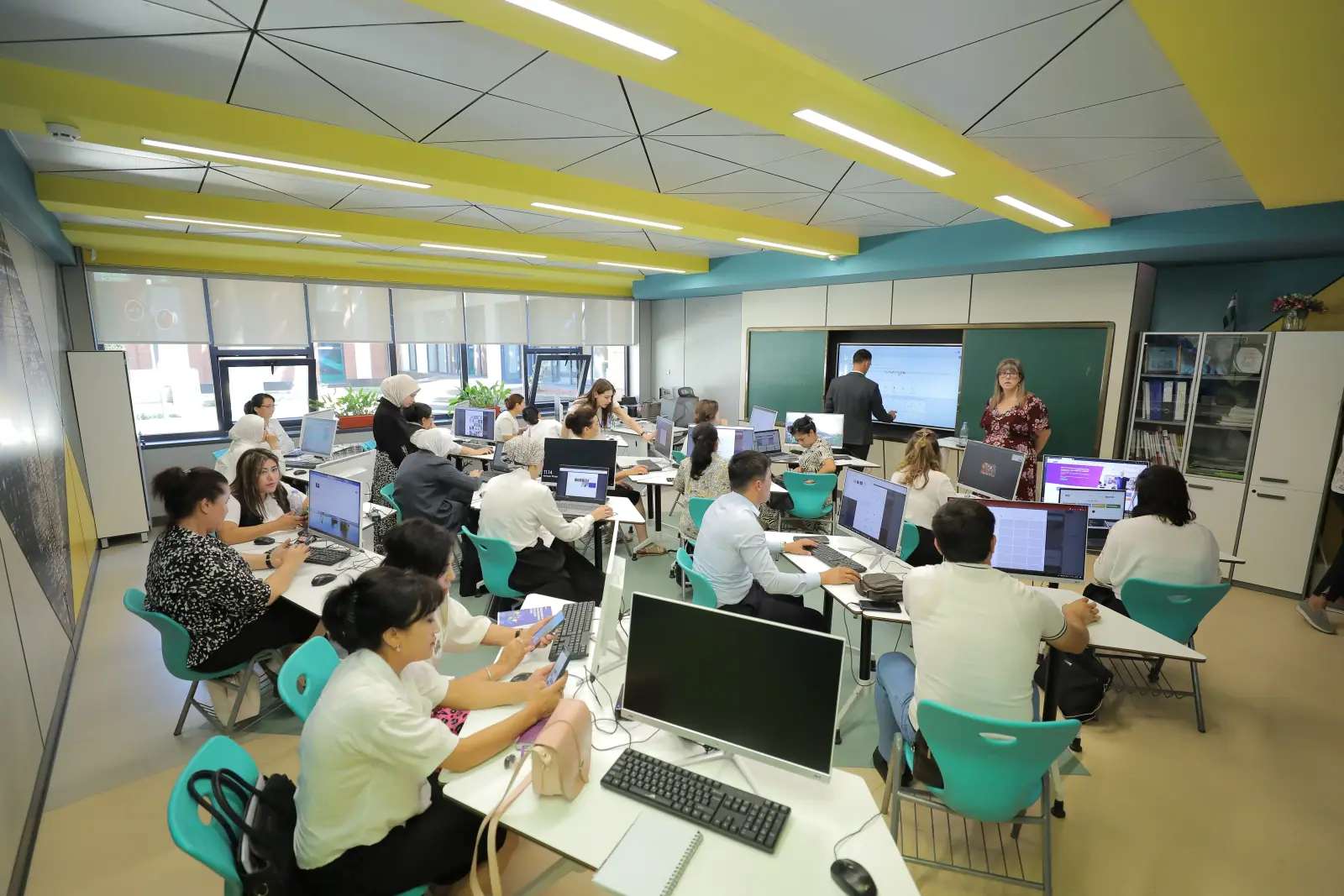
I have applied this approach across different contexts. In Uzbekistan, I led the design and delivery of national teacher training programs across multiple regions and cohorts, developing learning experiences that needed to be adaptable, scalable, and effective across diverse classroom settings. This work grounded my ability to design not just for individual learners, but for systems.
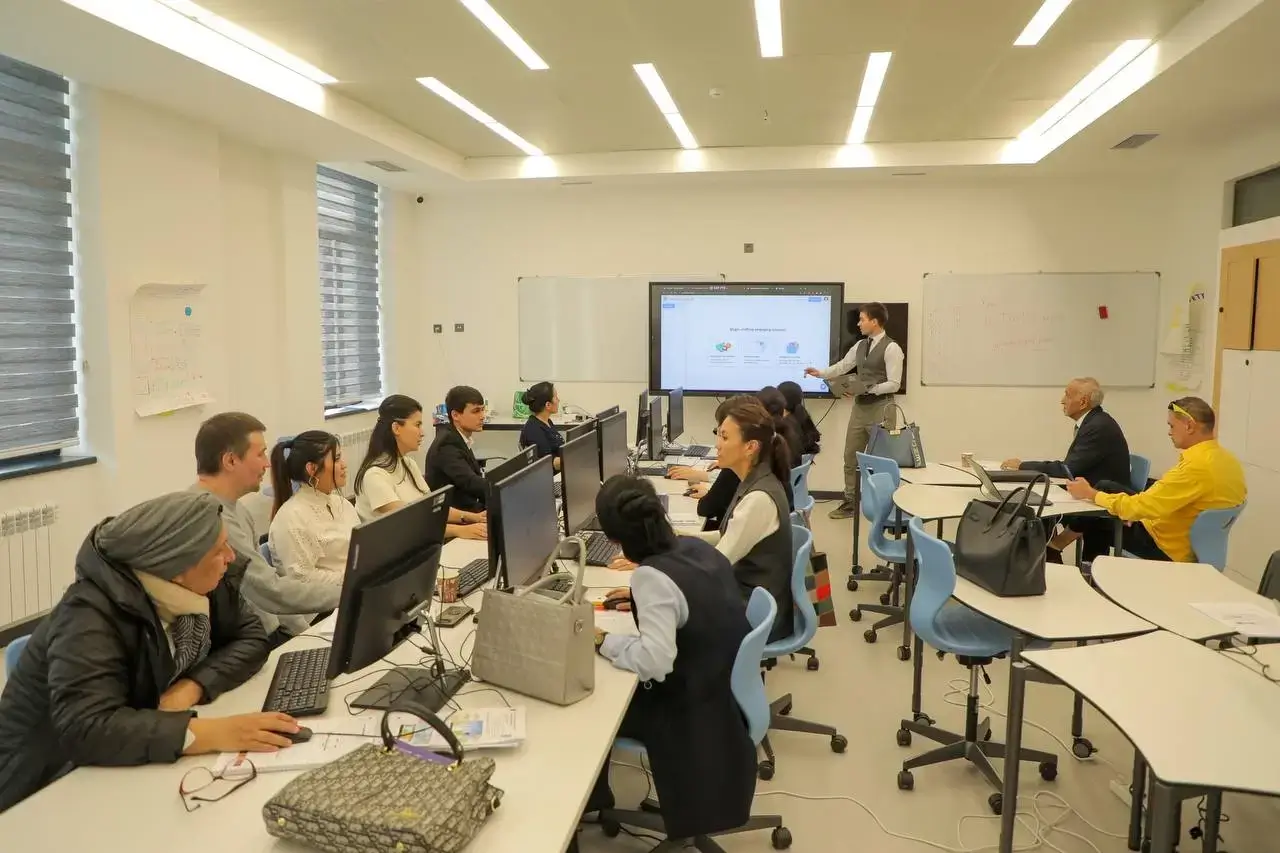
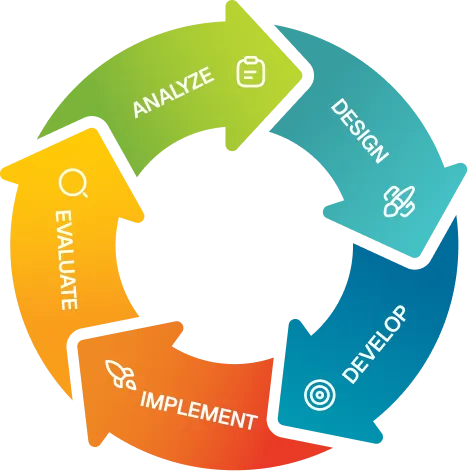
Since then, I have built on that foundation at Georgetown University's CNDLS, where I design and support higher education courses in collaboration with faculty. My work includes course development, learning experience design, and quality assurance, ensuring that courses are not only well-structured but also engaging and aligned with learning goals. My practice is guided by frameworks such as UDL and ADDIE, allowing me to make intentional decisions about access, sequencing, and assessment while keeping the learner at the center.
What I have learned from architecture, Uzbekistan, and Georgetown is that design is always an act of intention. Every structure, sequence, and interaction either supports learning or gets in its way. As a learning designer, I make those decisions deliberately. I am creating experiences that are clear, engaging, and built to support how people actually learn.
Latest Work
What I am working on right now
Conversational AI research pathfinder story
Currently, I am exploring how conversational AI can transform learning, building instructional design with emerging technologies for personalized adaptive education experience.
My Design Process
Learning Framework
ADDIE Model
Inclusion Lens
UDL Framework
My practice is guided by Universal Design for Learning — ensuring that every learning experience is accessible, engaging, and effective for all learners.

Engagement
Stimulating interest and motivation for learning

Representation
Presenting information in multiple ways

Action & Expression
Differentiating the ways learners can demonstrate knowledge
Guiding values
Evidence Based Approach
Using data and research to inform learning and instructional design decisions. Educational practices are grounded in credible evidence, continuous assessment, and evaluation to ensure effectiveness, relevance, and positive learner outcomes.
Scalability
Designing educational programs and resources that could be efficiently adapted, and expanded across contexts and learners. Scalable design ensures growth and flexibility, at the same time maintaining instructional quality, learning effectiveness, and educational integrity.
Accessibility
Ensuring that all students have equal access to learning materials, tools, and environments necessary for learning journey. This includes proactively identifying and removing physical, technological, cognitive, and instructional barriers so that every learner can fully engage, achieve learning objectives, and benefit from high-quality education.